Analyzing the Intricate Link Between Gold Prices and Inflation Trends in Today’s Economy
Wiki Article
This precious metal has historically been recognized as an important asset across international economic system, particularly during periods of financial instability. Market participants, governments, and economic institutions frequently track gold prices to understand wider economic trends. A key of the most discussed topics within economic studies remains how gold prices interact with inflation rates. Price inflation refers to a broad increase in pricing levels of goods and services over time, thereby reducing purchasing strength of money. Because this asset exists as a tangible resource with limited supply, it is often contrasted with fiat currency that can be affected by monetary policy along with economic forces.
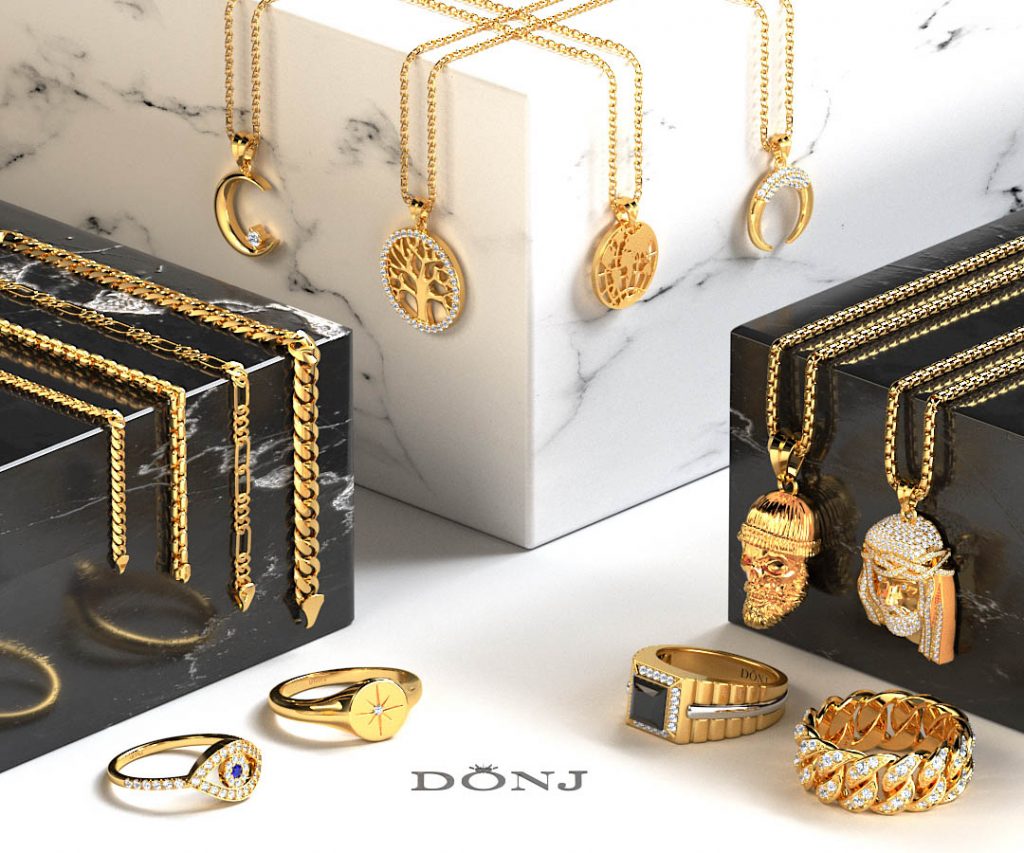
Inflation rates play a key role in influencing investor behavior regarding the gold market. As inflation increases, the value of currency may weaken, causing everyday goods to become more costly. In such periods, market participants turn to precious metals for value preservation. This behavior often increases demand for gold, which may push market prices upward. Economic indicators such as consumer price indices, interest rates, and central bank policies frequently affect how strongly gold responds to changes in inflation. However, this interaction is not always direct nor immediate.
Gold prices are also affected by inflation-adjusted sell 24k gold interest rates, defined as interest rates adjusted for price inflation. If real yields remain low or fall below zero, holding gold becomes more attractive because the potential cost of missing interest income is reduced. By comparison, when real interest rates rise, investors may prefer interest-bearing assets instead of gold. This financial dynamic demonstrates that inflation alone does not determine gold prices, but instead how inflation interacts with wider financial conditions, including bond yields as well as policy tightening actions.
Another factor influencing the relationship between gold and inflation is investor expectations. When market participants anticipate inflation to increase in the future, they may buy gold ahead of time, which can raise prices even before inflation data confirming the pattern. On the other hand, when inflation remains elevated yet is expected to ease due to strong economic policies, gold market prices may remain stable or potentially decline. This situation highlights the significance of inflation expectations, economic outlooks, and investor sentiment in determining gold market movements.
In today’s economy, the relationship between gold prices and inflation rates continues to be complex and influenced by numerous variables. International trade conditions, currency exchange rates, and geopolitical factors can strengthen or weaken this relationship. Although the precious metal is commonly viewed as a hedge against inflation, its performance relies on browse around this site a mix of economic indicators rather than inflation by itself. Understanding this detailed connection helps investors and analysts make more informed decisions across an evolving financial landscape.